
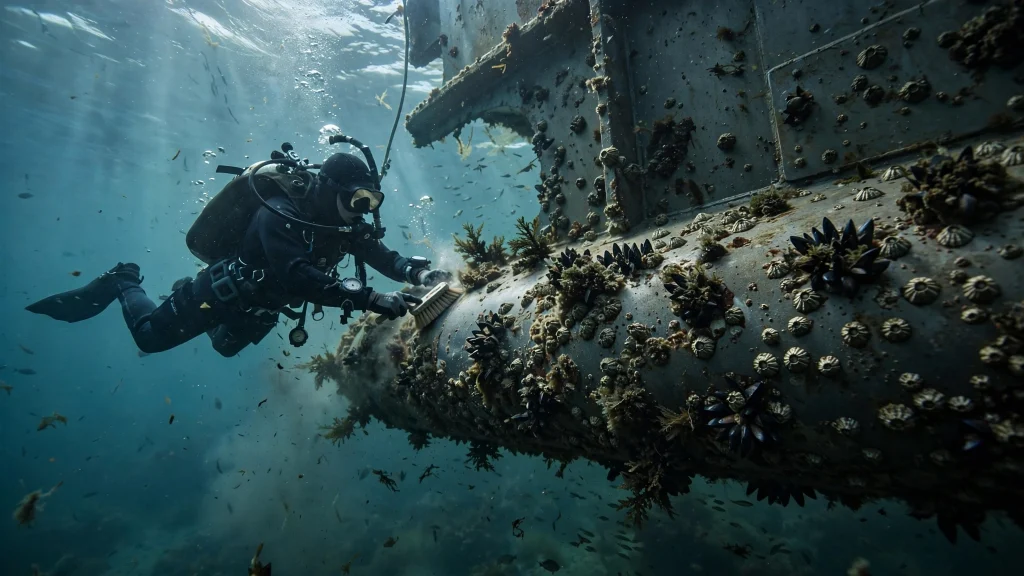
Underwater Maintenance plays a critical role in protecting marine assets from corrosion, biofouling, and structural damage. Ships, offshore platforms, ports, pipelines, and subsea equipment operate in harsh environments every day. Regular inspections and maintenance reduce operational risks while extending service life. Industry studies consistently show that preventive maintenance lowers repair costs and minimizes unexpected downtime.
Marine operators rely on Underwater Maintenance to improve safety, meet environmental regulations, and maintain operational efficiency. Modern diving techniques, remotely operated vehicles (ROVs), and advanced inspection tools allow maintenance teams to detect defects before they become major failures. This proactive approach protects valuable investments while supporting uninterrupted marine operations.
Why Underwater Maintenance Matters
Protecting Marine Assets from Costly Damage
Marine structures remain exposed to saltwater, marine growth, strong currents, and constant mechanical stress. These factors accelerate corrosion and material fatigue. Without routine inspections, small defects can quickly become expensive structural failures.
Professional Underwater Maintenance identifies cracks, corrosion, coating failures, and damaged welds before they compromise safety. According to marine engineering research, preventive maintenance programs can reduce long-term repair costs by up to 30%. Asset owners also benefit from fewer emergency repairs and longer equipment service life.
Key Benefits of Regular Maintenance
- Extends the lifespan of marine assets.
- Reduces unexpected operational downtime.
- Improves structural integrity.
- Supports environmental compliance.
- Minimizes emergency repair expenses.
- Enhances crew and operational safety.
Common Underwater Maintenance Services
Inspection, Cleaning, and Repairs
Routine maintenance combines detailed inspections with cleaning and repair work. Certified commercial divers and ROV operators use ultrasonic testing, underwater cameras, and thickness measurements to assess structural conditions accurately.
Common Underwater Maintenance services include hull cleaning, propeller polishing, corrosion protection, welding, coating repairs, anode replacement, and subsea pipeline inspections. Early intervention prevents marine growth from reducing vessel efficiency and fuel performance. The International Maritime Organization has emphasized hull cleanliness because excessive fouling significantly increases fuel consumption and greenhouse gas emissions.
Maintenance Activities by Asset Type
| Marine Asset | Common Maintenance Tasks | Primary Benefit |
|---|---|---|
| Ships | Hull cleaning, propeller polishing | Improved fuel efficiency |
| Offshore Platforms | Structural inspections, welding | Increased operational safety |
| Pipelines | Leak detection, coating repair | Environmental protection |
| Ports and Harbors | Pile inspections, corrosion control | Infrastructure reliability |
| Subsea Equipment | Sensor inspection, component replacement | Reduced operational failures |
Technology Transforming Underwater Maintenance
Advanced Tools Improve Accuracy
Technology has transformed modern Underwater Maintenance by improving inspection quality while reducing operational risks. High-definition underwater cameras, sonar imaging, laser scanning, and remotely operated vehicles provide accurate data without exposing divers to unnecessary hazards.
Artificial intelligence now assists engineers by identifying corrosion patterns and structural anomalies from inspection images. Digital asset management platforms also track maintenance history, allowing operators to schedule repairs based on condition rather than fixed intervals. This data-driven approach improves maintenance planning and lowers lifecycle costs.
Emerging Technologies
- Remotely Operated Vehicles (ROVs).
- Autonomous Underwater Vehicles (AUVs).
- AI-assisted defect detection.
- Ultrasonic thickness measurement.
- Digital twin technology.
- 3D underwater laser scanning.
Best Practices for Effective Underwater Maintenance
Building a Preventive Maintenance Strategy
Successful Underwater Maintenance depends on consistent planning rather than reactive repairs. Asset managers should establish inspection schedules based on operating conditions, asset age, and regulatory requirements. Preventive maintenance reduces unexpected failures while supporting long-term operational reliability.
Experienced marine engineers recommend combining diver inspections with ROV surveys to improve coverage and reduce inspection time. Maintenance records should include photographs, corrosion measurements, repair history, and inspection reports. These records help engineers identify deterioration trends and prioritize future maintenance activities using measurable performance data. Explore our latest insights in The Advantages of Diamond Wire Sawing for Large Concrete Structures.
Expert Recommendations
Industry specialists consistently recommend these practices:
- Schedule inspections before severe weather seasons.
- Monitor corrosion protection systems regularly.
- Remove marine growth before heavy accumulation.
- Replace sacrificial anodes on schedule.
- Use certified commercial diving teams.
- Document every inspection with detailed reports.
- Analyze maintenance trends using digital records.
Challenges Facing Marine Operators
Managing Cost, Safety, and Compliance
Marine operators face increasing pressure to balance maintenance budgets with strict environmental and safety regulations. Offshore assets often operate in remote locations where repairs require specialized equipment, experienced personnel, and favorable weather conditions.
Regular Underwater Maintenance helps organizations manage these challenges through planned inspections instead of emergency interventions. Preventive maintenance also supports compliance with classification societies and international safety standards. Operators that invest in routine inspections generally experience lower lifecycle costs and improved operational reliability compared with reactive maintenance strategies.
Conclusion
Underwater Maintenance remains one of the most effective investments for protecting marine assets. Regular inspections, modern technology, and preventive maintenance strategies reduce repair costs, improve safety, and extend operational life. Organizations that prioritize proactive maintenance strengthen asset performance while maintaining compliance and ensuring reliable marine operations for years to come.